Chaetodipus
| Genus Chaetodipus | |
|---|---|
| Taxonomic classification | |
| Order: | Rodentia |
| Suborder: | Supramyomorpha |
| Infraorder: | Castorimorphi |
| Superfamily: | Geomyoidea |
| Family: | Heteromyidae |
| Subfamily: | Perognathinae |
Chaetodipus is a genus of pocket mice that contains 21 recognized species. Eleven species are found in the United States and ten species are found only in Mexico.
Species in the United States
Species not pictured: Highland Coarse-haired Pocket Mouse (Chaetodipus collis).
-

Bailey's Pocket Mouse (Chaetodipus baileyi). The upper pelage is gray-brown with varying degrees of yellow wash. -

California Pocket Mouse (Chaetodipus californicus). Dorsal coloration ranges from pale brown to dark reddish-brown. Rump spines are present and pronounced. -

Chihuahuan Desert Pocket Mouse (Chaetodipus eremicus). Dorsal coloration ranges from buff to vinaceous buff. -

San Diego Pocket Mouse (Chaetodipus fallax). Upper parts of the pelage are rich brown, darker over the rump, and under parts are white or creamy white. Bristles on the rump are black, whereas those on the flank are white. -

Long-tailed Pocket Mouse (Chaetodipus formosus). Dorsal coloration ranges from brown to reddish-brown. -

Hispid Pocket Mouse (Chaetodipus hispidus). Dorsal coloration ranges from yellowish to reddish-buff. -

Rock Pocket Mouse (Chaetodipus intermedius). Dorsal coloration is highly variable in this species and depends largely on the color of the substrate, ranging from pale brown to brownish-black to black. Rump spines are present but may be difficult to detect. -

Desert Pocket Mouse (Chaetodipus penicillatus). Dorsal coloration ranges from gray to yellowish-brown to pinkish-brown. -

Peninsular Pocket Mouse (Chaetodipus rudinoris). Dorsal coloration varies from yellowish-gray to buffy ochre or pale buffy. The rump lacks spines. This is one of the largest species in the genus. -

Spiny Pocket Mouse (Chaetodipus spinatus). Upper parts are drab brown, with large and prominent spines on the rump, scattered on the flanks and sides, and often extending to the shoulders, and the underparts are buffy white.
Available taxon pages
The following subgenera are available on WhiskerWiki for this genus:
- Subgenus: No information
Range maps for species in the United States
-
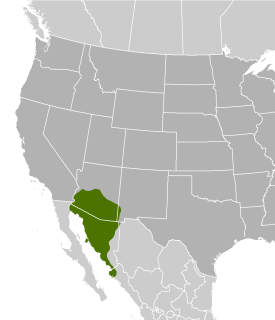
Bailey's Pocket Mouse (Chaetodipus baileyi). Chaetodipus rudinoris was split from C. baileyi by Riddle et al. (2000). -
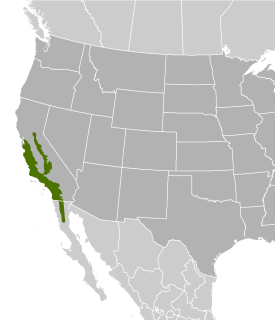
California Pocket Mouse (Chaetodipus californicus) -

Highland Coarse-haired Pocket Mouse (Chaetodipus collis). Split from Chaetodipus nelsoni by Neiswenter et al. (2019). -

Chihuahuan Desert Pocket Mouse (Chaetodipus eremicus) -

San Diego Pocket Mouse (Chaetodipus fallax) -
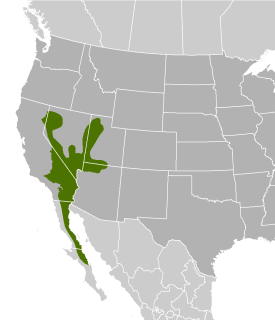
Long-tailed Pocket Mouse (Chaetodipus formosus) -

Hispid Pocket Mouse (Chaetodipus hispidus) -

Rock Pocket Mouse (Chaetodipus intermedius) -

Desert Pocket Mouse (Chaetodipus penicillatus) -
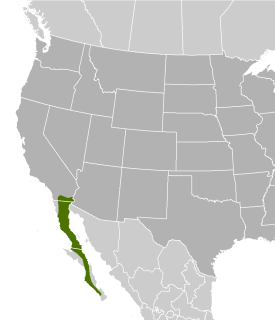
Peninsular Pocket Mouse (Chaetodipus rudinoris). Split from Chaetodipus baileyi by Riddle et al. (2000). -

Spiny Pocket Mouse (Chaetodipus spinatus)
Character comparison for Chaetodipus
| Species | Size | Pelage appearance | Postauricular patch | Subaruicular spot | Antitragus | Tail bicolored | Tail crest | Tail tuft | Rump spines | Lateral lines | Lateral line color |
|---|---|---|---|---|---|---|---|---|---|---|---|
| Chaetodipus baileyi | large | coarse | absent | when present, it is small | lobed | distinctly or indistinctly | present | present | absent | faint or absent | buff |
| Chaetodipus californicus | large | coarse | absent | absent | lobed | distinctly | present | present | present (and on flanks) | present; wide | orangish-yellow |
| Chaetodipus collis | medium | coarse | absent | present; white and small | lobed | distinctly or indistinctly | present | present | present | present | ochraceous-buff, fawn-colored |
| Chaetodipus eremicus | medium | somewhat soft | present; faint | absent | lobed | distinctly | present | present | absent | faint or absent | yellowish to ochraceous |
| Chaetodipus fallax | medium | coarse | absent | absent | lobed | distinctly | present | present | present (and on flanks) | present | buff-colored |
| Chaetodipus formosus | medium | smooth | absent | present; white or buff | lobed | distinctly or indistinctly | present | present | absent | faint or absent | ochraceous |
| Chaetodipus hispidus | large | coarse and hispid | absent | absent | lobed | distinctly | absent | absent | absent | present; wide | ochraceous |
| Chaetodipus intermedius | small to medium | coarse | absent | absent | lobed | distinctly | present | present | present; may be difficult to detect | faint or absent | ochraceous |
| Chaetodipus penicillatus | small to medium | smooth to coarse | present; faint | absent | lobed | distinctly | present | present | absent | faint or absent | buff |
| Chaetodipus rudinoris | large | smooth | absent | when present, it is small | lobed | indistinctly | present | present | absent | present | ochraceous |
| Chaetodipus spinatus | medium to medium-large | coarse | present; faint | present; small | lobed | distinctly or indistinctly | present | present | present | faint or absent | buff |
Images showing antitragus, rump spines, and location of the preauricular and postauricular spot are below this table.
Character gallery
-

Arrow points to the location of the postauricular patch of the Silky Pocket Mouse (Perognathus flavus). -

Arrow points to the location of the subauricular patch of Silky Pocket Mouse (Perognathus flavus). -

Arrow points to the lobed antitragus of the Rock Pocket Mouse (Chaetodipus intermedius). -

Arrow points to the rump spines (guard hairs) of the Spiny Pocket Mouse (Chaetodipus spinatus). -

Left arrow points to the tail tuft and down arrow points to the tail crest of the Rock Pocket Mouse (Chaetodipus intermedius). -

Arrow points to the wide, orangeish-yellow lateral line of the Hispid Pocket Mouse (Chaetodipus hispidus); also note the distinctly bicolored tail of this species.


