Range maps for mice, rats, lemmings, and voles
This page provides range maps for all species in the United States of America that are commonly referred to as rats, mice, lemmings, and voles, which includes four families — Cricetidae, Heteromyidae, Muridae, and Zapodidae. The range maps for these families of mouse-like species are grouped together for functional convenience. These are small mammals which may be easily confused with one another and we feel that presenting all of the range maps here may be helpful to users attempting to identifying a species based on range.
Before using species range maps for any purpose, we urge you to exercise caution and be aware of potential limitations and challenges associated with their interpretation. While we have made efforts to create the most up-to-date range maps by synthesizing diverse data sources, including historical published range maps, occurrence data from natural history specimens, field guides, peer-reviewed published research, and personal communication with experts, these data may have varying degrees of accuracy and reliability, leading to potential inaccuracies and gaps in the representation of a species' distribution. For some species, data may be scarce or biased toward easily accessible areas, resulting in incomplete representation of their true range. Taxonomic revisions can affect species identification and may not be immediately reflected in range maps, potentially leading to misinterpretation. Exercise prudence in the application of these maps and acknowledge their limitations to make informed decisions for conservation, research, species identification, and project planning.
Family Cricetidae
Alexandromys oeconomus (Root Vole)
-

Root Vole (Alexandromys oeconomus). Formerly Microtus oeconomus. Range in North America only.
Arborimus (tree voles)
-
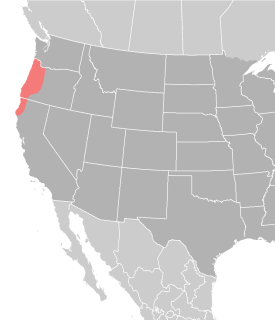
White-footed Vole (Arborimus albipes) -

Red Tree Vole (Arborimus longicaudus) -

Sonoma Tree Vole (Arborimus pomo)
Baiomys taylori (Northern Pygmy Mouse)
-

Northern Pygmy Mouse (Baiomys taylori)
Clethrionomys (=Myodes) (red-backed voles)
-

Western Red-backed Vole (Clethrionomys californicus) -

Southern Red-backed Vole (Clethrionomys gapperi) -
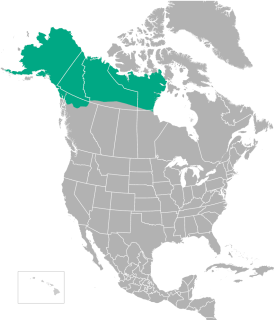
Northern Red-backed Vole (Clethrionomys rutilus) (range in North America only)
Dicrostonyx (collared lemmings)
-
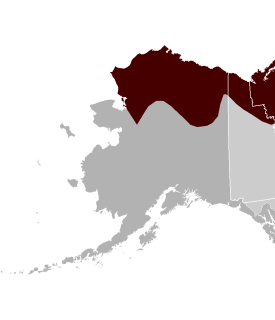
Nearctic Collared Lemming (Dicrostonyx groenlandicus) -

Nelson's Collared Lemming (Dicrostonyx nelsoni) -

Unalaska Collared Lemming (Dicrostonyx unalascensis)
Lemmiscus curtatus (Sagebrush Vole)
-
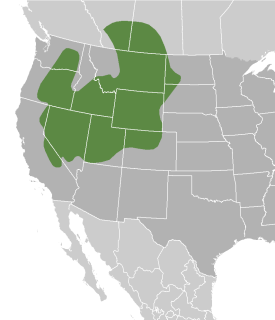
Sagebrush Vole (Lemmiscus curtatus)
Lemmus (true lemmings)
-

Beringian Brown Lemming (Lemmus nigripes). Range in North America based on Spitsyn et al. (2021). -

Nearctic Brown Lemming (Lemmus trimucronatus). Range based on Spitsyn et al. (2021)
Microtus (meadow voles)
-

Singing Vole (Microtus abbreviatus). Genetic studies by Weksler et al. in 2010 indicate that M. miurus should be included in M. abbreviatus. -

California Vole (Microtus californicus) -

Gray-tailed Vole (Microtus canicaudus) -

Rock Vole (Microtus chrotorrhinus) -
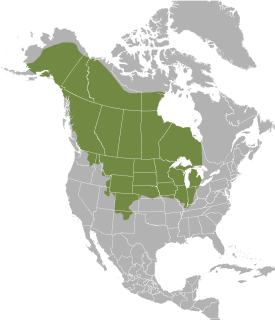
Western Meadow Vole (Microtus drummondii). Split from M. pennsylvanicus by Jackson and Cook (2020). -
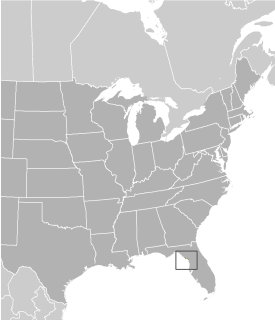
Florida Salt Marsh Vole (Microtus dukecampbelli) -

Long-tailed Vole (Microtus longicaudus) -

Mogollon Vole (Microtus mogollonensis). Split from M. mexicanus by Crawford et al. (2011). -
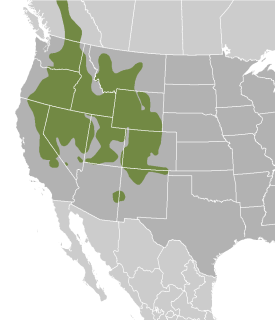
Montane Vole (Microtus montanus) -

Prairie Vole (Microtus ochrogaster) -

Creeping Vole (Microtus oregoni) -
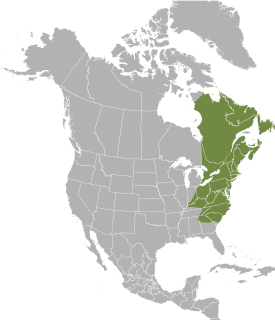
Eastern Meadow Vole (Microtus pennsylvanicus). Updated range: split by Jackson and Cook (2020). -

Woodland Vole (Microtus pinetorum) -
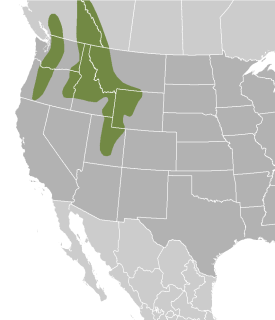
North American Water Vole (Microtus richardsoni) -

Townsend's Vole (Microtus townsendii) -

Taiga Vole (Microtus xanthognathus)
Mictomys borealis (Northern Bog Lemming)
-
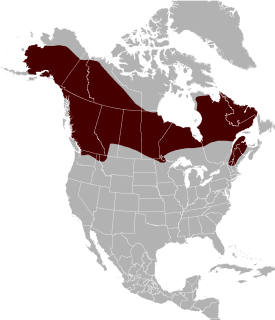
Northern Bog Lemming (Mictomys borealis). Moved from Synaptomys to Mictomys by Hope et al. (2023).
Neotoma (pack rats, wood rats)
-
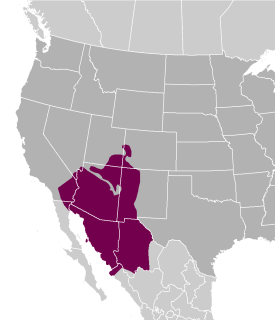
White-throated Woodrat (Neotoma albigula) -

Bryant's Woodrat (Neotoma bryanti) -

Bushy-tailed Woodrat (Neotoma cinerea) -

Arizona Woodrat (Neotoma devia) -

Eastern Woodrat (Neotoma floridana) -
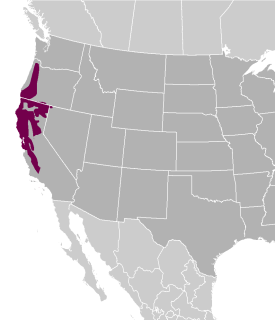
Dusky-footed Woodrat (Neotoma fuscipes). This species was split by Matocq (2002). -
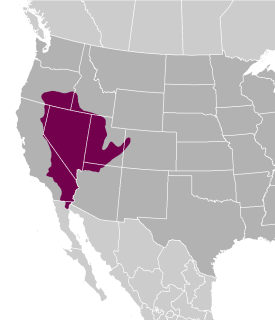
Desert Woodrat (Neotoma lepida) -

White-toothed Woodrat (Neotoma leucodon) -
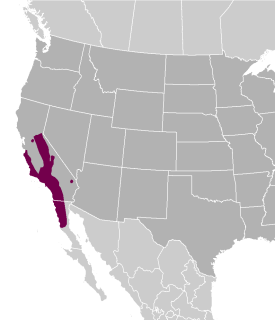
Big-eared Woodrat (Neotoma macrotis). Split from N. fuscipes by Matocq (2002). -

Allegheny Woodrat (Neotoma magister) -

Mexican Woodrat (Neotoma mexicana) -
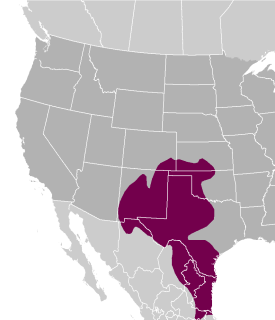
Southern Plains Woodrat (Neotoma micropus) -
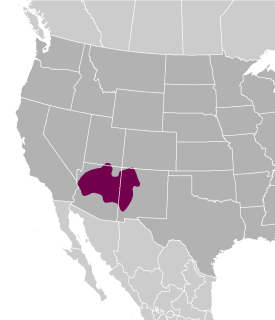
Stephens's Woodrat (Neotoma stephensi)
Phenacomys (heather voles)
-

Western Heather Vole (Phenacomys intermedius) -

Eastern Heather Vole (Phenacomys ungava)
Ochrotomys nuttalli (Golden Mouse)
-

Golden Mouse (Ochrotomys nuttalli)
Onychomys (grasshopper mice)
-

Chihuahuan Grasshopper Mouse (Onychomys arenicola) -

Northern Grasshopper Mouse (Onychomys leucogaster) -
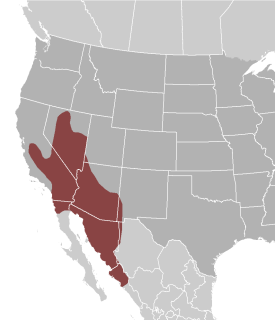
Southern Grasshopper Mouse (Onychomys torridus)
Oryzomys (marsh rice rats)
-
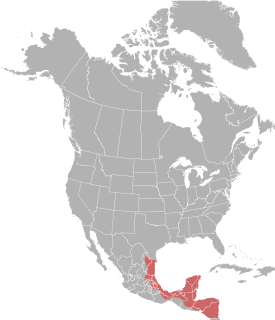
Coues's Marsh Rice Rat (Oryzomys couesi) -

Northeastern Marsh Rice Rat (Oryzomys palustris) -

Northwestern Marsh Rice Rat (Oryzomys texensis)
Peromyscus (deer mice)
-

Texas Deermouse (Peromyscus attwateri) -

Brush Deermouse (Peromyscus boylii) -
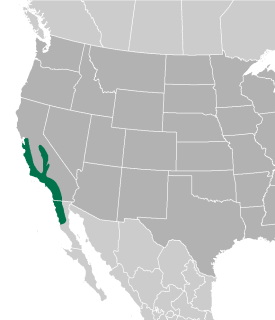
California Deermouse (Peromyscus californicus) -
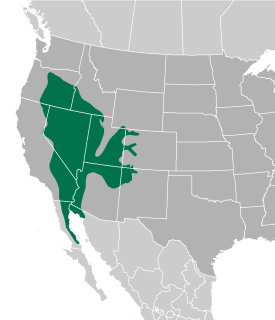
Canyon Deermouse (Peromyscus crinitus) -
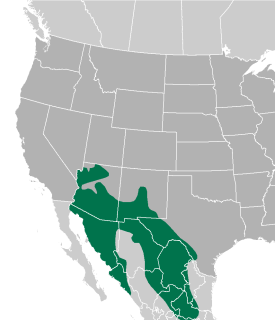
Cactus Deermouse (Peromyscus eremicus) -

Northern Baja Deermouse (Peromyscus fraterculus) -
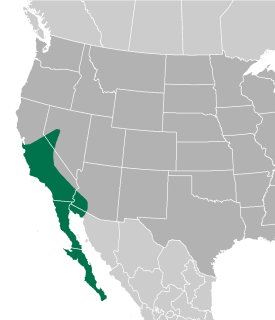
Gambel's Deermouse (Peromyscus gambelii). Split from P. maniculatus by Greenbaum et al. (2019) and Bradley et al. (2019). -
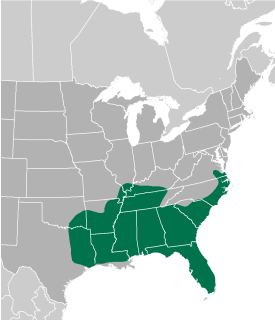
Cotton Deermouse (Peromyscus gossypinus) -

Saxicoline Deermouse (Peromyscus gratus) -

Northwestern Deermouse (Peromyscus keeni) -

Southern Deermouse (Peromyscus labecula). Split from P. maniculatus by Greenbaum et al. (2019) and Bradley et al. (2019). -

Northern White-ankled Deermouse (Peromyscus laceianus) Split from P. pectoralis by Bradley et al. (2015). -

White-footed Deermouse (Peromyscus leucopus) -

Eastern Deermouse (Peromyscus maniculatus). Range based on molecular analyses published by Greenbaum et al. (2019) and Bradley et al. (2019). -
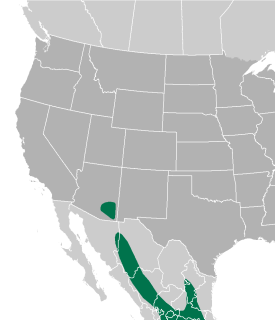
Black-eared Deermouse (Peromyscus melanotis) -
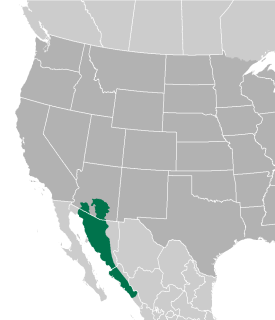
Merriam's Deermouse (Peromyscus merriami) -

Northern Rock Deermouse (Peromyscus nasutus) -

Oldfield Deermouse (Peromyscus polionotus) -
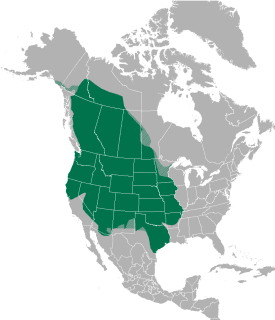
Western Deermouse (Peromyscus sonoriensis). Split from P. maniculatus by Greenbaum et al. (2019) and Bradley et al. (2019). -
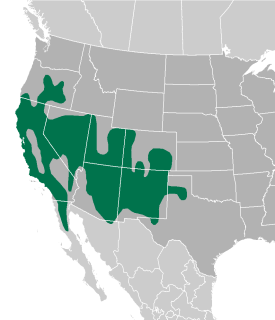
Pinyon Deermouse (Peromyscus truei)
Podomys floridanus (Florida Mouse)
-

Florida Deermouse (Podomys floridanus)
Reithrodontomys (harvest mice)
-

Fulvous Harvest Mouse (Reithrodontomys fulvescens) -

Eastern Harvest Mouse (Reithrodontomys humulis) -
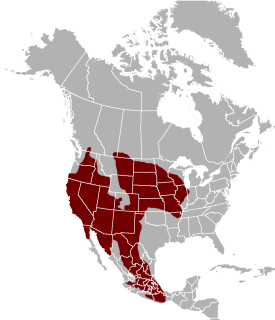
Western Harvest Mouse (Reithrodontomys megalotis) -
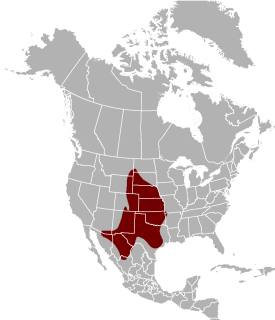
Plains Harvest Mouse (Reithrodontomys montanus) -
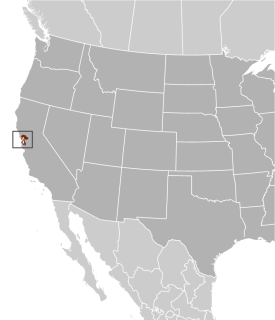
Salt-marsh Harvest Mouse (Reithrodontomys raviventris)
Sigmodon (cotton rats)
-
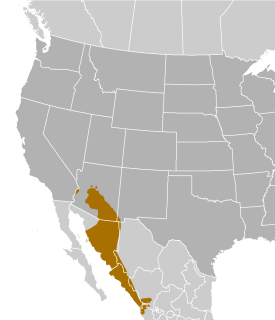
Arizona Cotton Rat (Sigmodon arizonae) -

Tawny-bellied Cotton Rat (Sigmodon fulviventer) -

Hispid Cotton Rat (Sigmodon hispidus) -

Yellow-nosed Cotton Rat (Sigmodon ochrognathus)
Synaptomys cooperi (Southern Bog Lemming)
-

Southern Bog Lemming (Synaptomys cooperi)
Family Heteromyidae
Chaetodipus and Perognathus (pocket mice)
-
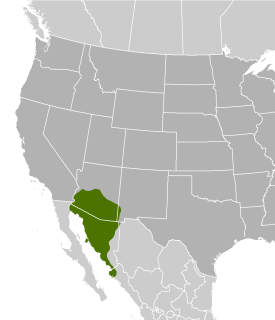
Bailey's Pocket Mouse (Chaetodipus baileyi). Chaetodipus rudinoris was split from C. baileyi by Riddle et al. (2000). -
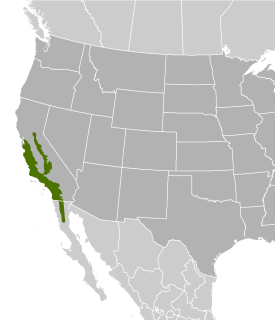
California Pocket Mouse (Chaetodipus californicus) -

Highland Coarse-haired Pocket Mouse (Chaetodipus collis). Split from Chaetodipus nelsoni by Neiswenter et al. (2019). -

Chihuahuan Desert Pocket Mouse (Chaetodipus eremicus) -

San Diego Pocket Mouse (Chaetodipus fallax) -
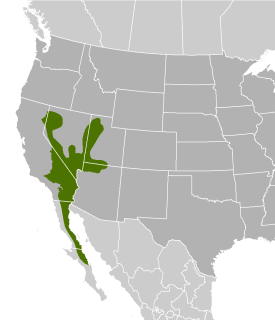
Long-tailed Pocket Mouse (Chaetodipus formosus) -

Hispid Pocket Mouse (Chaetodipus hispidus) -

Rock Pocket Mouse (Chaetodipus intermedius) -

Desert Pocket Mouse (Chaetodipus penicillatus) -
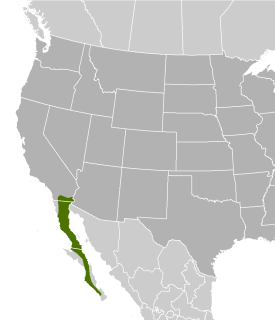
Peninsular Pocket Mouse (Chaetodipus rudinoris). Split from Chaetodipus baileyi by Riddle et al. (2000). -

Spiny Pocket Mouse (Chaetodipus spinatus) -
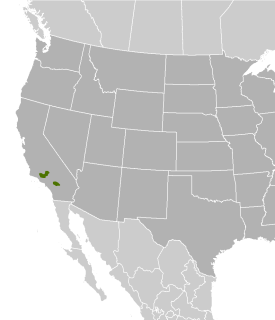
White-eared Pocket Mouse (Perognathus alticolus) -

Arizona Pocket Mouse (Perognathus amplus) -

Olive-backed Pocket Mouse (Perognathus fasciatus) -

Plains Pocket Mouse (Perognathus flavescens) -
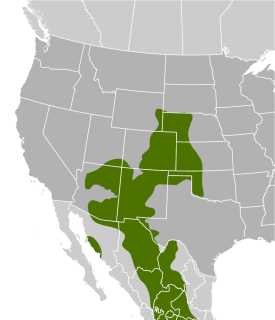
Silky Pocket Mouse (Perognathus flavus) -

San Joaquin Pocket Mouse (Perognathus inornatus) -
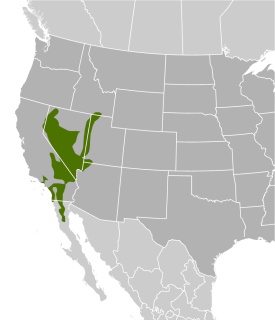
Little Pocket Mouse (Perognathus longimembris) -

Merriam's Pocket Mouse (Perognathus merriami) -

Great Basin Pocket Mouse (Perognathus mollipilosus). Split from Perognathus parvus by Riddle et al. (2014). -

Columbia Plateau Pocket Mouse (Perognathus parvus). Update range: this species was split by Riddle et al. (2014).
Dipodomys (kangaroo rats)
-

Agile Kangaroo Rat (Dipodomys agilis) -
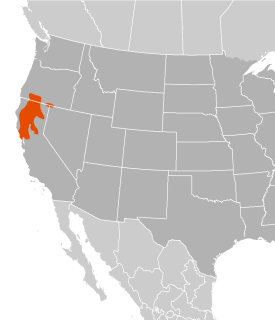
California Kangaroo Rat (Dipodomys californicus) -

Gulf Coast Kangaroo Rat (Dipodomys compactus) -
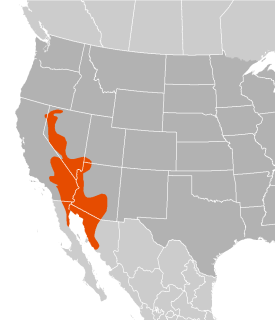
Desert Kangaroo Rat (Dipodomys deserti) -

Texas Kangaroo Rat (Dipodomys elator) -

Heermann's Kangaroo Rat (Dipodomys heermanni) -

Giant Kangaroo Rat (Dipodomys ingens) -

Merriam's Kangaroo Rat (Dipodomys merriami) -

Chisel-toothed Kangaroo Rat (Dipodomys microps) -

San Joaquin Kangaroo Rat (Dipodomys nitratoides) -

Ord's Kangaroo Rat (Dipodomys ordii) -
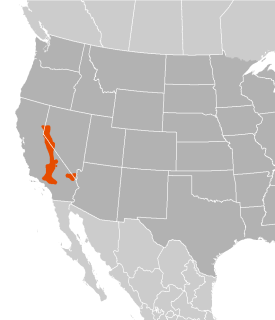
Panamint Kangaroo Rat (Dipodomys panamintinus) -
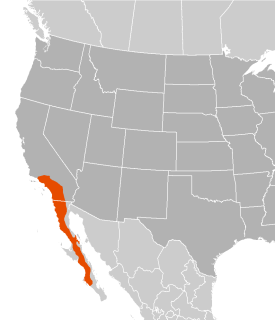
Dulzura Kangaroo Rat (Dipodomys simulans) -

Banner-tailed Kangaroo Rat (Dipodomys spectabilis) -
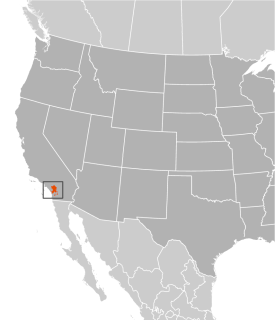
Stephens's Kangaroo Rat (Dipodomys stephensi) -

Narrow-faced Kangaroo Rat (Dipodomys venustus) (+D. venustus elephantinus)
Heteromys irroratus (spiny pocket mouse)
-

Mexican Spiny Pocket Mouse (Heteromys irroratus)
Microdipodops (kangaroo mice)
-
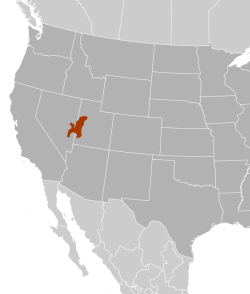
Bonneville Kangaroo Mouse (Microdipodops albiventer) -

Oregon Kangaroo Mouse (Microdipodops oregonus) -

Owyhee Kangaroo Mouse (Microdipodops megacephalus) -
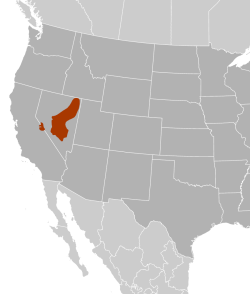
Nevada Kangaroo Mouse (Microdipodops polionotus) -

Lahontan Kangaroo Mouse (Microdipodops pallidus) -

Kawich Kangaroo Mouse (Microdipodops ruficollaris)
Family Muridae
-

House mouse (Mus musculus). Approximate range shown for North America only. -
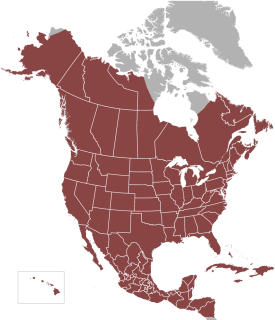
Brown Rat (Rattus norvegicus). Approximate range shown for North America only. -

Roof Rat (Rattus rattus). Approximate range shown for North America only.
Family Zapodidae (jumping mice)
Napaeozapus (woodland jumping mice)
Genetic analyses by Malaney et al. (2017) recognized 2 species within Napaeozapus, where previous morphology-based studies had recognized only one species. The work of Malaney et al. (2017) has importantly exposed cryptic diversity and a putative new species within Napaeozapus, but further studies will be needed to fully understand new species boundaries and morphological variation
-
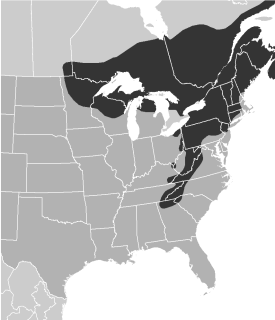
Former range of Napaeozapus insignis, based on a systematic revision by Wrigley (1972). -

Western Woodland Jumping Mouse (Napaeozapus abietorum). Split from Napaeozapus insignis by Malaney et al. (2017). -

Eastern Woodland Jumping Mouse (Napaeozapus insignis). Range based on molecular analyses by Malaney et al. (2017).

Zapus (jumping mice)
Malaney et al. (2017) recognized 9 species within the genus Zapus, elevating some of the subspecies in Krutzsch's (1954) revision of jumping mice to species status. The work of Malaney et al. (2017) has importantly exposed cryptic diversity and putative new species within Zapus, but further studies will be needed to fully understand new species boundaries.
-

Former range of Zapus hudsonius based on Krutzsch (1954) -

Former range of Zapus princeps based on Krutzsch (1954) -

Former range of Zapus trinotatus based on Krutzsch (1954) -

Northern Meadow Jumping Mouse (Zapus hudsonius). Dark range represents Malaney et al.'s (2017) distribution based on genetic analyses. Lightly shaded region represents the range based on earlier taxonomy-based assessments. -

Southern Meadow Jumping Mouse (Zapus luteus). Formerly a subspecies of Zapus princeps and then Z. hudsonius, Zapus luteus was elevated to species status by Malaney et al. (2017). -
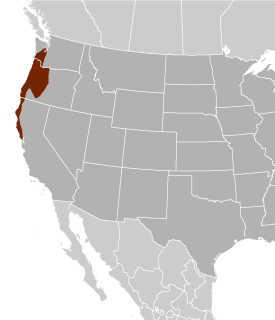
Central Pacific Jumping Mouse (Zapus montanus). Formerly a subspecies of Zapus trinotatus, Z. montanus was elevated to species status by Malaney et al. (2017). -

Zapus okanoganensis sp nov, based on Malaney et al. (2017). This species has not yet been described and for now is included in Zapus saltator. -

Oregon Jumping Mouse (Zapus oregonus). Formerly a subspecies of Zapus princeps, Zapus oregonus was elevated to species status by Malaney et al. (2017). -
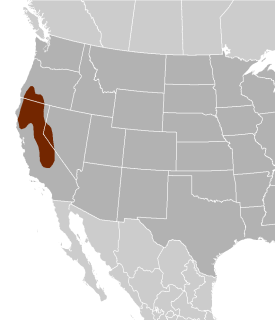
Southern Pacific Jumping Mouse (Zapus pacificus) Formerly a subspecies of Zapus princeps, Zapus pacificus was elevated to species status by Malaney et al. (2017). -

Southwestern Jumping Mouse (Zapus princeps). Dark range represents Malaney et al.'s (2017) distribution based on genetic analyses. Lightly shaded area represents the former range based on earlier taxonomy-based assessments. -

Northwestern Jumping Mouse (Zapus saltator). Formerly a subspecies of Zapus princeps, Zapus saltator was elevated to species status by Malaney et al. (2017). -

Northern Pacific Jumping Mouse (Zapus trinotatus). Dark range represents Malaney et al.'s (2017) distribution based on genetic analyses. Lightly shaded region represents the former range based on earlier taxonomy-based assessments.


