Perognathus
| Genus Perognathus | |
|---|---|
| Range | |
 | |
| Taxonomic classification | |
| Order: | Rodentia |
| Suborder: | Supramyomorpha |
| Infraorder: | Castorimorphi |
| Superfamily: | Geomyoidea |
| Family: | Heteromyidae |
| Subfamily: | Perognathinae |
Perognathus is a genus of pocket mice in the family Heteromyidae. They are called the silky pocket mice because they generally have smoother pelage and softer appearance than the coarse-haired pocket mice (genus: Chaetodipus). The overall darkness of the their dorsal coloration varies geographically in most species. All Perognathus species lack rump spines, while only some Chaetodipus lack rump spines. Species of Perognathus and Chaetodipus can often be separated by a combination of the following characters: overall body size, presence/absence of tufted tail, presence/absencce of a crested tail, presence/absence of an antitragus (look closely at the ear), presence/absence of a subauricular spot, presence/absence of a postauricular spot, size of the postauricular spot (if present), presence/absence of rump spines.
There are 10 recognized species in the genus Perognathus and all species can be found in the United States.
Species
Species not pictured: Columbia Plateau Pocket Mouse (Perognathus parvus). Perognathus mollipilosus was split from Perognathus parvus by Riddle et al. (2014) based on analyses of both mitochondrial DNA (mtDNA) and nuclear DNA (nDNA).
-

White-eared Pocket Mouse (Perognathus alticolus) observed by Venkat Sankar in Kern County, California. -

Arizona Pocket Mouse (Perognathus amplus) observed by Brittany Burgard in Arizona. -

Olive-backed Pocket Mouse (Perognathus fasciatus) observed by Ellyne Geurts in Saskatchewan, Canada. -

Plains Pocket Mouse (Perognathus flavescens). Dorsal coloration ranges from buff to yellowish or reddish, with a variable dorsal wash of black hairs. -

Silky Pocket Mouse (Perognathus flavus). Dorsal coloration typically ranges from yellowish-brown to pinkish-brown to grayish-brown. -

Silky Pocket Mouse (Perognathus flavus). -

San Joaquin Pocket Mouse (Perognathus inornatus). Dorsal coloration ranges from brown to ochraceous buff to pinkish overlaid with a variable wash of blackish hairs. -

Little Pocket Mouse (Perognathus longimembris). Upper parts can be pinkish-, reddish-, or ochraceous-buff, typically matching the color of the soil. -

Merriam's Pocket Mouse (Perognathus merriami) observed by Marco Zozaya in Mexico. -

Great Basin Pocket Mouse (Perognathus mollipilosus). Dorsal coloration ranges from buff to ashy.
Range maps
-
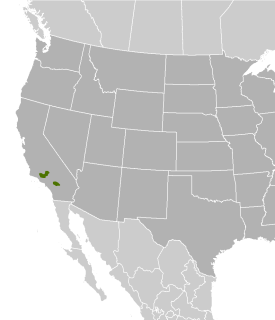
White-eared Pocket Mouse (Perognathus alticolus) -

Arizona Pocket Mouse (Perognathus amplus) -

Olive-backed Pocket Mouse (Perognathus fasciatus) -

Plains Pocket Mouse (Perognathus flavescens) -
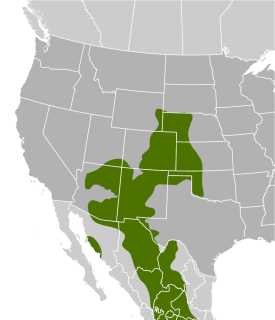
Silky Pocket Mouse (Perognathus flavus) -

San Joaquin Pocket Mouse (Perognathus inornatus) -
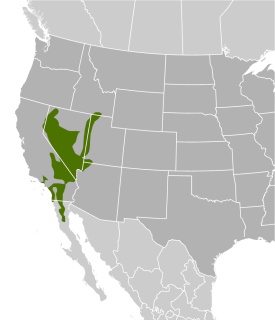
Little Pocket Mouse (Perognathus longimembris) -

Merriam's Pocket Mouse (Perognathus merriami) -

Great Basin Pocket Mouse (Perognathus mollipilosus). Split from Perognathus parvus by Riddle et al. (2014). -

Columbia Plateau Pocket Mouse (Perognathus parvus). Update range: this species was split by Riddle et al. (2014).
Available taxon pages
The following subgenera are available on WhiskerWiki for this genus:
- Subgenus: Cricetodipus
- Subgenus: Perognathus
Character comparison for Perognathus
Images showing antitragus, rump spines, and location of the preauricular and postauricular spot are below this table.
| Species | Size | Pelage appearance | Postauricular patch | Subaruicular spot | Antitragus | Tail bicolored | Tail crest | Tail tuft | Rump spines | Lateral lines | Lateral line color |
|---|---|---|---|---|---|---|---|---|---|---|---|
| Perognathus alticolus | small to medium | smooth | present; faint | present; white or buff | lobed | distinctly or indistinctly | absent; slightly crested near tip | absent | absent | faint | buffy |
| Perognathus amplus | small | smooth | present; faint | present; white | lobed | distinctly or indistinctly | absent | absent | absent | present | buffy |
| Perognathus fasciatus | small to medium | smooth | present: buffy | present; white | absent | indistinctly | absent | absent | absent | present | bright buffy to yellowish buff |
| Perognathus flavescens | small to medium | smooth | present | present; white | absent | indistinctly | absent | absent | absent | present | dark ochraceous to pale yellowish |
| Perognathus flavus | small | smooth | present; buff | present; white or buff | absent | indistinctly | absent | absent | absent | present; may be indistinct, buff | buff or ochraceous |
| Perognathus inornatus | small to medium | smooth | indistinct, buffy | present; white | lobed; very small and not always obvious | indistinctly | absent | absent | absent | present | ochraceous |
| Perognathus longimembris | small | smooth | present; faint | when present, it is faint | lobed; very small and not always obvious | distinctly or indistinctly | absent | absent or present; if present hairs 3-7 mm | absent | absent or faint | |
| Perognathus merriami | small | smooth | present; clear buff | present; white | absent | indistinctly | absent | absent | absent | present | ochraceous |
| Perognathus mollipilosus | medium | smooth | present | present | lobed | distinctly or indistinctly | absent; slightly crested near tip | absent | absent | present; faint | olive colored or ochraceous |
| Perognathus parvus | medium | smooth | present | present | lobed | distinctly or indistinctly | absent; slightly crested near tip | absent | absent | present; wide | buffy yellowish |
Character gallery for Perognathus
-

Arrow points to the location of the postauricular patch of the Silky Pocket Mouse (Perognathus flavus). -

Arrow points to the location of the subauricular patch of Silky Pocket Mouse (Perognathus flavus). -

Arrow points to the lobed antitragus of the Great Basin Pocket Mouse (Perognathus mollipilosus). -

Arrow points to the rump spines (guard hairs) of the Spiny Pocket Mouse (Chaetodipus spinatus). -

Left arrow points to the tail tuft and down arrow points to the tail crest of the Rock Pocket Mouse (Chaetodipus intermedius). -

Arrow points to the wide, orangeish-yellow lateral line of the Hispid Pocket Mouse (Chaetodipus hispidus); also note the distinctly bicolored tail of this species.


