Tamiini
| Tribe Tamiini | |
|---|---|
| Range | |
 | |
| Taxonomic classification | |
| Order: | Rodentia |
| Suborder: | Sciuromorpha |
| Family: | Sciuridae |
| Subfamily: | Xerinae |
Chipmunks are small squirrels in the tribe Tamiini in the family Sciuridae. They are distinguished from other squirrels by the characteristic longitudinal stripes on their back that extend onto the face. The genus comprises 27 recognized species, 24 of which are found in the United States. Neotamias bulleri, Neotamias durangae, and Neotamias solivagus are endemic to Mexico.
From Sutton (1992): "Characteristics of the baculum provide powerful diagnostic criteria among sciurids in general and among chipmunks in particular. Forms with markedly different bacula represent distinct species and, by critical examination of the genital bones, parapatric forms may be distinguished with confidence (Patterson, 1984; Patterson and Heaney, 1987; White, 1951).
Species in the United States
-

Alpine Chipmunk (Neotamias alpinus) observed by Ed Miller in Tuolumne County, California. -

Yellow-pine Chipmunk (Neotamias amoenus) observed by Andrew Simon in Bulkley-Nechako, British Columbia, Canada. -

Gray-footed Chipmunk (Neotamias canipes) photographed by CK2AZ in Lincoln National Forest, Cloudcroft, New Mexico. -
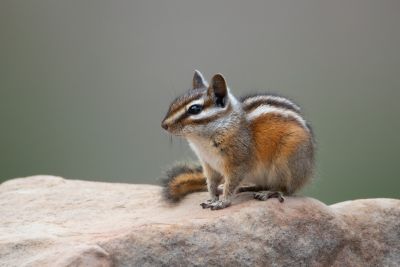
Gray-collared Chipmunk (Neotamias cinereicollis) photographed by Michael Stremciuc in Coconino National Forest, Arizona. -

Crater Chipmunk (Neotamias cratericus) -

Cliff Chipmunk (Neotamias dorsalis) photographed by Rick Overson in the Superstition Mountains of Arizona. Coloration of upper parts is tones of smoke or neutral gray. The shoulders and rump are gray. -

Coulee Chipmunk (Neotamias grisescens) photographed by Alex Sowers in Lincoln County, Washington. -

Merriam's Chipmunk (Neotamias merriami) photographed by Tom Mills in Palmdale, California. The tail is long and bushy (75-97% of length of head and body). The cheeks and underparts are white and more or less dulled by gray, but in coastal areas the cheeks and underparts usually are suffused with ochraceous. -

Least Chipmunk (Neotamias minimus) photographed by whitemudwayne at the University Of Alberta Farm in Edmonton, Alberta, Canada. Summer pelage is brighter than the grayish winter pelage. -

California Chipmunk (Neotamias obscurus) photographed by cybilla in Hidden Valley, California. -
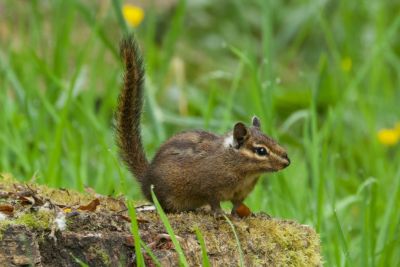
Yellow-cheeked Chipmunk (Neotamias ochrogenys) photographed by Sam Koski Jones in Mendocino County, California. -

Palmer's Chipmunk (Neotamias palmeri) photographed by Lonny Holmes in mid-August in Clark County, Nevada. -

Panamint Chipmunk (Neotamias panamintinus) photographed by markc666 in Inyo County, California. Characterized in summer pelage by bright tawny colors and a conspicuous gray rump, and in winter pelage by duller colors and even more gray on the rump. The cheeks and facial stripes are pale gray, nearly white. -

Long-eared Chipmunk (Neotamias quadrimaculatus) photographed by Michael Hawk in Tuolumne County, California. A reddish species with noticeably large ears and large white postauricular patches. The rump and thighs are more buffy (less grayish) in summer. -
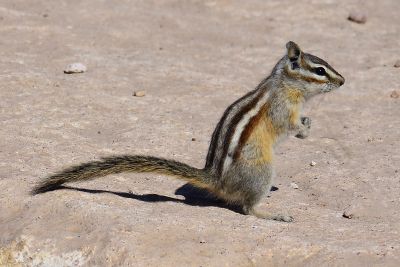
Colorado Chipmunk (Neotamias quadrivittatus) observed by Ad Konings in Saguache County, Colorado. -

Red-tailed Chipmunk (Neotamias ruficaudus) -

Hopi Chipmunk (Neotamias rufus) observed by feinerr in Grand County, Utah. -

Shadow Chipmunk (Neotamias senex) photographed by My World of Bird Photography in Humboldt County, California. -

Siskiyou Chipmunk (Neotamias siskiyou) -

Sonoma Chipmunk (Neotamias sonomae) photographed by gosner at Carson Falls, Bolinas, California. -

Lodgepole Chipmunk (Neotamias speciosus) -

Townsend's Chipmunk (Neotamias townsendii) photographed by Liam Hutcheson in Neah Bay, Washington. -

Uinta Chipmunk (Neotamias umbrinus) -

Eastern Chipmunk (Tamias striatus) observed by mikeymacro in Boardman, Mahoning County, Ohio.
Range maps for species in the United States
-
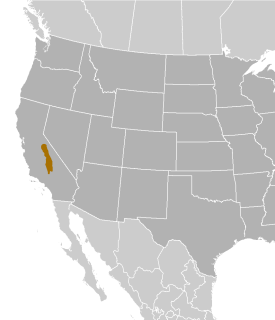
Alpine Chipmunk (Neotamias alpinus) -

Yellow-pine Chipmunk (Neotamias amoenus) -

Gray-footed Chipmunk (Neotamias canipes) -

Gray-collared Chipmunk (Neotamias cinereicollis) -

Crater Chipmunk (Neotamias cratericus) -

Cliff Chipmunk (Neotamias dorsalis) -

Coulee Chipmunk (Neotamias grisescens) -
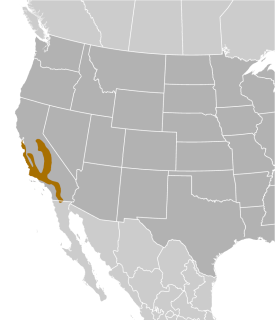
Merriam's Chipmunk (Neotamias merriami) -

Least Chipmunk (Neotamias minimus) -

California Chipmunk (Neotamias obscurus) -

Yellow-cheeked Chipmunk (Neotamias ochrogenys) -
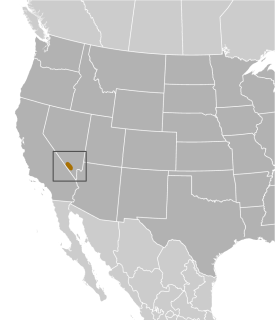
Palmer's Chipmunk (Neotamias palmeri) -

Panamint Chipmunk (Neotamias panamintinus) -

Long-eared Chipmunk (Neotamias quadrimaculatus) -
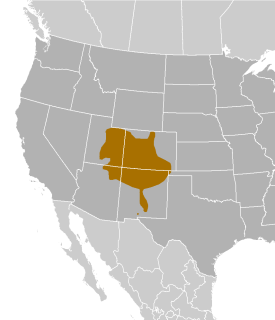
Colorado Chipmunk (Neotamias quadrivittatus) -

Red-tailed Chipmunk (Neotamias ruficaudus) -

Hopi Chipmunk (Neotamias rufus) -

Shadow Chipmunk (Neotamias senex) -
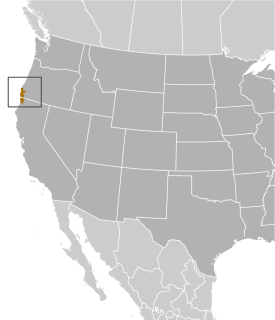
Siskiyou Chipmunk (Neotamias siskiyou) -

Sonoma Chipmunk (Neotamias sonomae) -

Lodgepole Chipmunk (Neotamias speciosus) -

Townsend's Chipmunk (Neotamias townsendii) -

Uinta Chipmunk (Neotamias umbrinus) -

Eastern Chipmunk (Tamias striatus)
Available taxon pages
The following genera are available on WhiskerWiki for this tribe:
- Genus: Neotamias
- Subgenus: No information
- Neotamias panamintinus
- Neotamias umbrinus
- Neotamias townsendii
- Neotamias speciosus
- Neotamias sonomae
- Neotamias siskiyou
- Neotamias senex
- Neotamias rufus
- Neotamias ruficaudus
- Neotamias quadrivittatus
- Neotamias quadrimaculatus
- Neotamias alpinus
- Neotamias palmeri
- Neotamias ochrogenys
- Neotamias obscurus
- Neotamias minimus
- Neotamias merriami
- Neotamias grisescens
- Neotamias dorsalis
- Neotamias cratericus
- Neotamias cinereicollis
- Neotamias canipes
- Neotamias amoenus
- Subgenus: No information
- Genus: Tamias
- Subgenus: No information